North America market, 2023 → 2030. The North America party supply rental market is forecast to nearly double, growing at a 10.9% compound annual rate.
A practical, numbers-first guide, from picking your first inventory to taking your first paid booking online.
Party and event rental is one of the steadier corners of the rental industry. Demand is driven by weddings, birthdays, school and church events, and corporate gatherings, things that happen in every town, every weekend, regardless of the wider economy.The numbers below are current industry figures about the party supply rental market. They are here to size the opportunity honestly: it is a healthy, growing market, but most of it is still served by small, local operators. That is exactly the gap a lean starter can step into.
North America market, 2023 → 2030. The North America party supply rental market is forecast to nearly double, growing at a 10.9% compound annual rate.
US party rental businesses. The number of party supply rental businesses in the US edged up to roughly 7,400 in 2025, a fragmented market dominated by small, independent operators rather than national chains.
Party rental businesses using Booqable booked across weddings, birthdays, backyard parties, corporate events, and community gatherings, a live read on the demand small and growing operators are actually managing every weekend.
How this guide works. We walk through how to start a party rental business in the order the decisions actually hit you: figure out what to stock, buy your first inventory, handle legal and admin, get your business online, get found locally, and lock in the smart moves for starting a party rental business. Skim the table of contents or read end-to-end, every section is built around starting lean and getting to your first paid booking fast.
The biggest mistake we see when people start a party rental business is over-investing before the first ten bookings. The market rewards small, focused starters with online booking from day one, not warehouses full of unproven inventory.Lean does not mean amateur. It means you stock a tight bundle, often a tent with tables and chairs, or a bounce house plus a few decor pieces, deep enough to fully book a single weekend. You put the catalog online with real-time availability and let the bookings and demand tell you what to buy next.
One tight bundle, fully stocked for one event weekend.
Real-time availability, deposits, instant online bookings.
Resist add-ons until you are sold out 3 weekends in a row.
Based on Capterra reviews and customer interviews with Booqable operators. Most people who start a party rental business did not write a business plan first. They solved their own problem, noticed a gap, or got pulled in by demand. These five patterns cover the majority of starters we talked to.
Bought arches, linens and signage for one wedding, realized the local market was thin, and started renting the same setup out the next season.
Wanted to rent a bounce house for a kid's birthday, found nothing local within 30 minutes, bought one unit and started getting bookings within weeks.
A weekend stylist with a small stash of backdrops and centerpieces started taking decor jobs, then turned it into a real event-decor rental business.
Picked up second-hand chairs and tables cheaply, restored them, and chose to rent them out repeatedly instead of flipping for a one-time profit.
Source: Capterra reviews, customer stories, and 1:1 interviews with Booqable party & event rental operators, 2025–2026.
Forget picking one narrow lane. Most party rental businesses start with a small, deliberately overlapping bundle, a tent with tables and chairs, or a bounce house with a decor add-on, because real events almost always need more than one item. Use this ranked list to decide what your first bundle should include, not as an either/or menu.
Source: aggregated, anonymized data from Booqable party & event rental customers, 2026.
Three concrete starter packages. Pick one and stock it deep enough to fully book a single event weekend. Each one is modeled on packages real party rental companies actually sell, so you can list them as a single bookable product instead of ten line-items.
Best for: General parties, graduations, birthdays, family gatherings, small community events
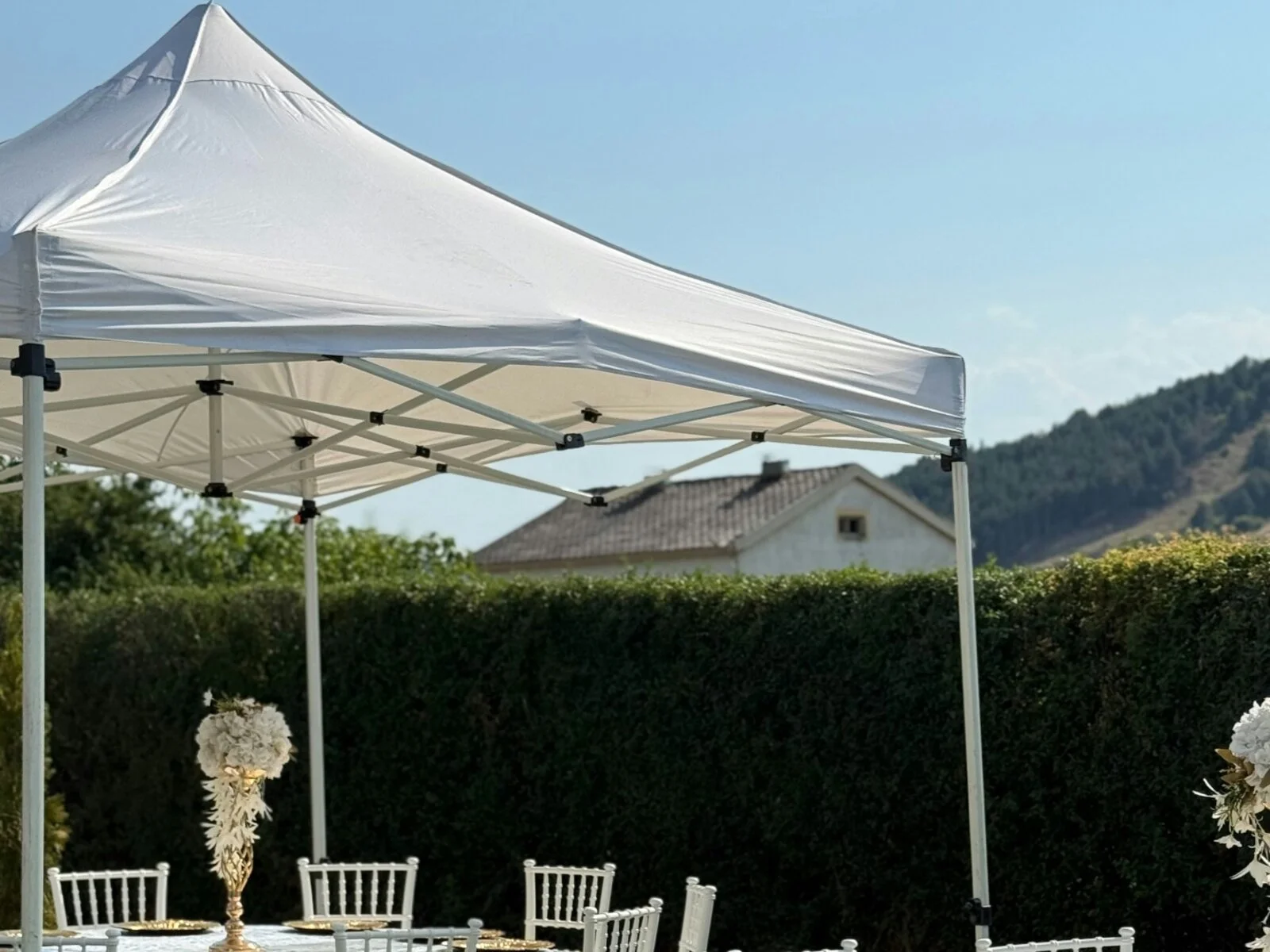
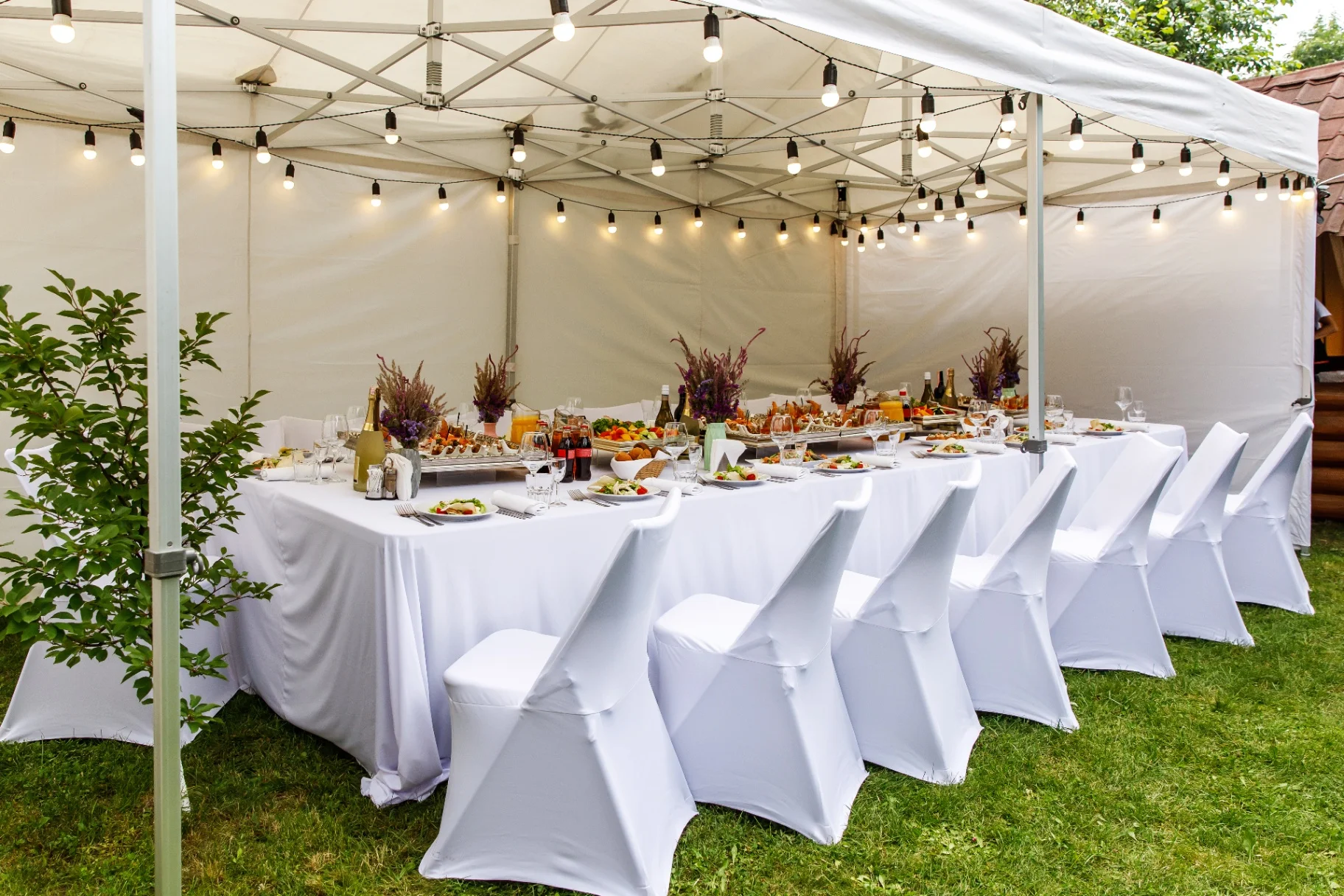
Why this works. The most obvious starter bundle: tents, tables, and chairs are the backbone of party rentals. Companies like Fun Events and Party Life Rents sell almost identical 20×20 packages out of the box.
Best for: Weddings, bridal showers, baby showers, dinner parties, styled events
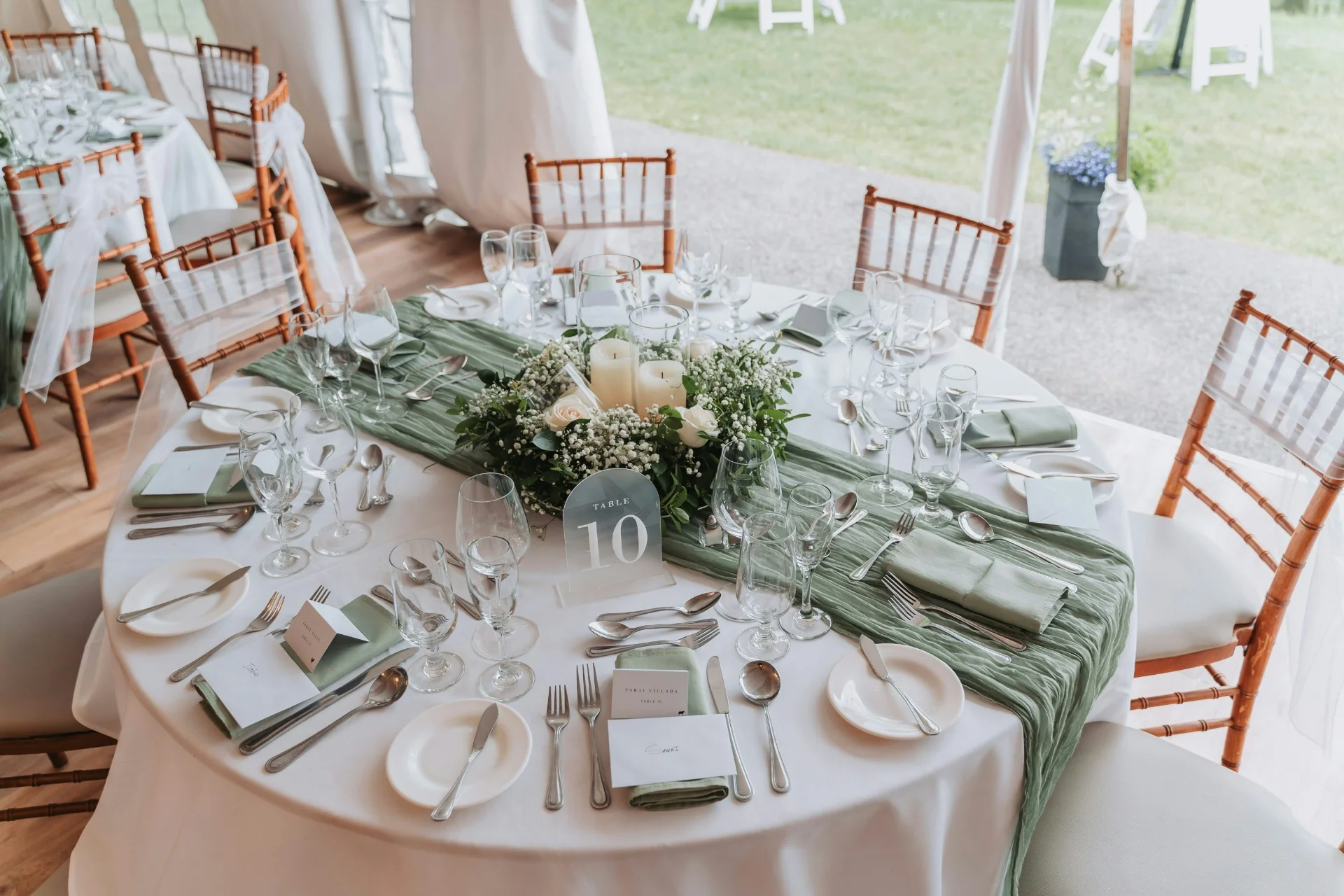
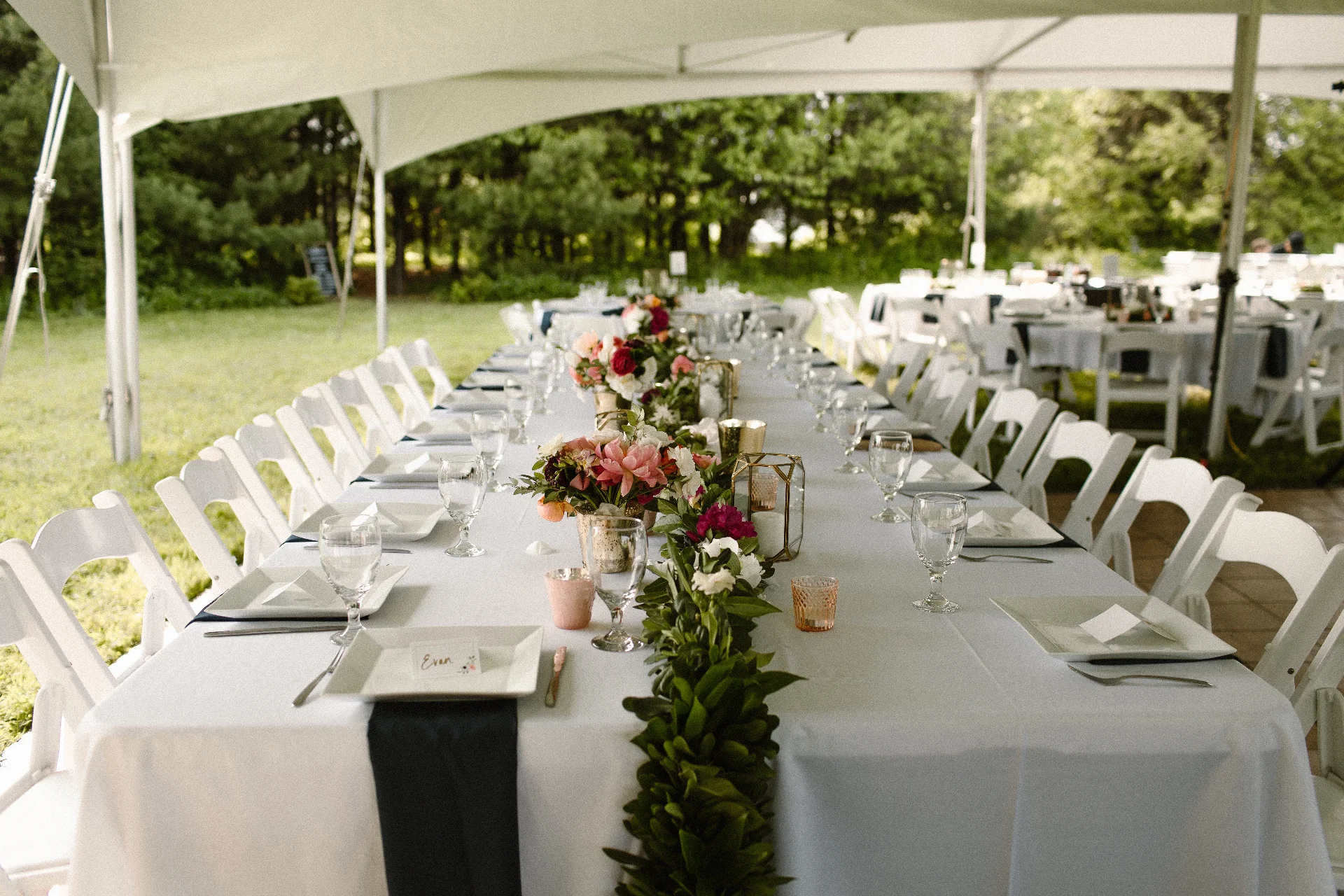
Why this works. Moves beyond tables and chairs into higher-margin decor and dining rentals. Brides lists linens, china, flatware and chargers among the most-rented wedding items, and linens carry the visual weight of the room
Best for: Kids' birthdays, school events, church events, neighborhood parties, family fun days
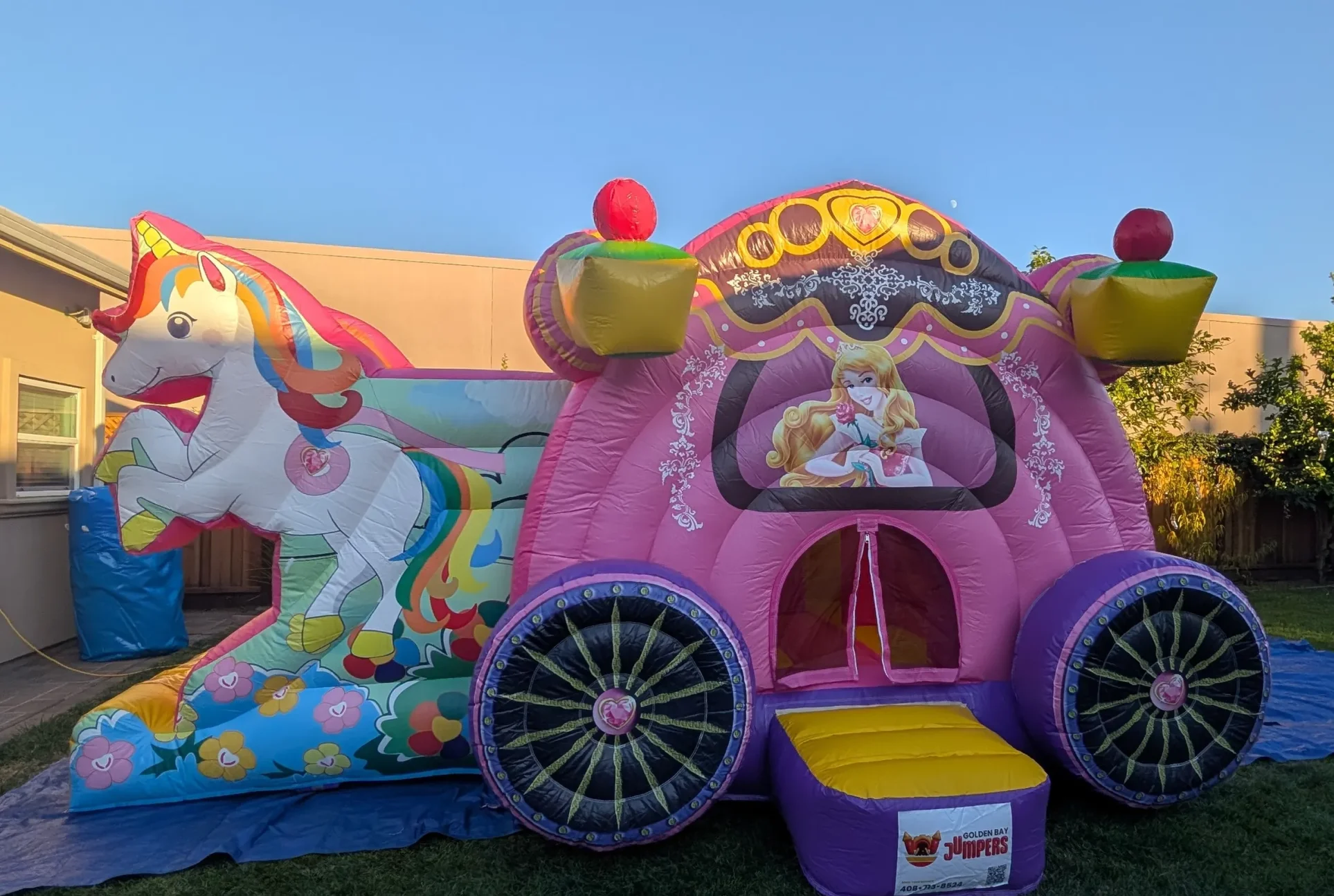
Why this works. Inflatables are a dedicated niche with clear, repeating demand. Pairing a bouncer with a concession machine and basic seating mirrors how kids-party rental companies actually package their listings.
Not glamorous, but required before your first paid booking. The good news is the setup is a one-time effort and most starters complete the whole sequence in under a week. Treat it as paperwork, not strategy. Pick a business structure (LLC is most common for solo operators), register with your state, get an EIN, open a business bank account, and check local licensing. City and county rental permits vary widely. Talk to an accountant about sales tax. In most US states rentals are taxable, and handling it from day one saves painful catch-up later.
A simple webshop with real-time availability lets your party rental business take orders while you sleep. It is the single biggest lever for new operators and the cheapest competitive advantage you can buy in your first year, and it is exactly what event and party rental software is built to do.Most party-rental enquiries land outside business hours. Weeknights after dinner, Saturday mornings, the panicked Sunday before a birthday. Without a live calendar, every one of those leads becomes a back-and-forth email thread that competes with your weekend deliveries. With instant booking, the calendar closes the deal for you; dates locked, deposit collected, contract signed, all before you've read the notification.It also changes the unit economics. Auto-collected deposits cut no-shows, real-time availability prevents the double-bookings that eat solo operators alive, and the time you used to spend on quote emails goes into pickups, turnarounds, and reviews; the work that actually compounds.
14 days median to first paid booking with online booking on.
60% drop in back-and-forth on standard tables, chairs and bounce-house SKUs.
Auto-charge a deposit and reduce no-shows by ~40%.
If you do one thing in your first month, it's this: turn online booking on before you buy your second tent.
Source: aggregated, anonymized data from Booqable party & event rental customers, 2026.
One of the biggest early decisions for a party rental business. Our data and POV are clear: lean into instant booking wherever you can. It compounds reviews, fills weekends, and removes the email tennis that kills momentum for solo operators.
For SKUs under $500, instant booking wins. It removes friction, captures weekend intent, and gets you reviews faster. Reserve quote-flow for full tent setups, multi-day weddings, and bespoke event-decor packages.
Higher conversion with instant booking
Faster time to first booking
Source: aggregated, anonymized data from Booqable party & event rental customers, 2026.

Three channels do most of the work for a new party rental business in the first 6 months. Set them up properly before spending a dollar on paid ads, the organic baseline alone fills more weekends than most starters expect.
Free, highest-intent local leads.
City-page per service, NAP consistency.
Yelp, The Bash, Peerspace.
or a new party rental website with online booking on.
Source: aggregated, anonymized data from Booqable party & event rental customers, 2026.
The seven habits that separate people who successfully start a party rental business from those who stall. None of these are heroic, they are small disciplines applied early, before the first busy weekend overwhelms you.
Residential chairs, tents and bouncers break after a handful of rentals. Pay 30 to 50 percent more once for commercial-grade gear and skip the replacement cycle entirely.
One wedding-tent gust or a bouncer mishap can wipe out personal savings. General liability is cheap peace of mind and the foundation for every other smart decision.
Healthy prices attract clients who value your service, leave margin for damage and replacement, and make repeat bookings possible
A signed rental agreement and liability waiver makes disputes simple to resolve. Set up a template once and apply it to every booking.
Backdrops, arches and styled tabletop packages turn a basic table-and-chair order into a much higher-ticket booking.
A Google Business Profile, a webshop with real-time availability and a steady review flywheel give you the highest-intent local customers, for free.
ross revenue feels great, profit per event tells the truth. Track utilization, damage and delivery cost from day one so growth compounds instead of leaks.
Three operators who started lean and grew on Booqable. Different inventory, different markets, same playbook: put the catalog online, take bookings instantly, reinvest in what's selling out.
A husband-and-wife team renting tables, chairs, and inflatable bounce houses for Bay Area birthdays and family parties. They started after finding most rental software too complex and costly for a new operator.
Read story →
A look behind the scenes at the day to day reality of running a party rental operation, from morning load-outs to weekend events and everything in between.
The questions we hear most often from people researching how to start a party rental business. Short answers, with links to the deeper sections above.
Pick one tight bundle, chairs and tables, or a bounce house with a decor add-on, for around $2,000 to $3,000, put it online with real-time availability and accept instant bookings. Most lean party rental businesses break even inside 6 months on a sub-$5,000 budget.
Lean starters open with $3,000 to $5,000, mostly spent on inventory. A standard launch with a tent plus tables, chairs and basic decor runs $10,000 to $15,000. A serious launch with a van or trailer is $30,000+. Inventory is by far the biggest line item in every tier.
Yes, when run lean. Gross margins of 70 to 85 percent per rental are normal because the same asset rents many times. Net profitability depends on utilization, damage and delivery cost, which is why expense tracking matters from day one.
Start with a small overlapping bundle you can fully book on a single weekend. Tables and chairs, a tent with seating, or a bounce house paired with event-decor pieces are the three most common starter setups. Always buy commercial-grade, not residential.
In the US, an LLC plus general liability insurance is the standard setup and should be in place before your first paid booking. See the legal and admin section above and the insurance guide for specifics.
Set up a Google Business Profile, list on local marketplaces like The Bash and Yelp, and make sure your online booking page captures weekend intent. These three channels do most of the work in the first 6 months.
Get full access for 14 days and see how easy managing rentals can be.
Choose your language