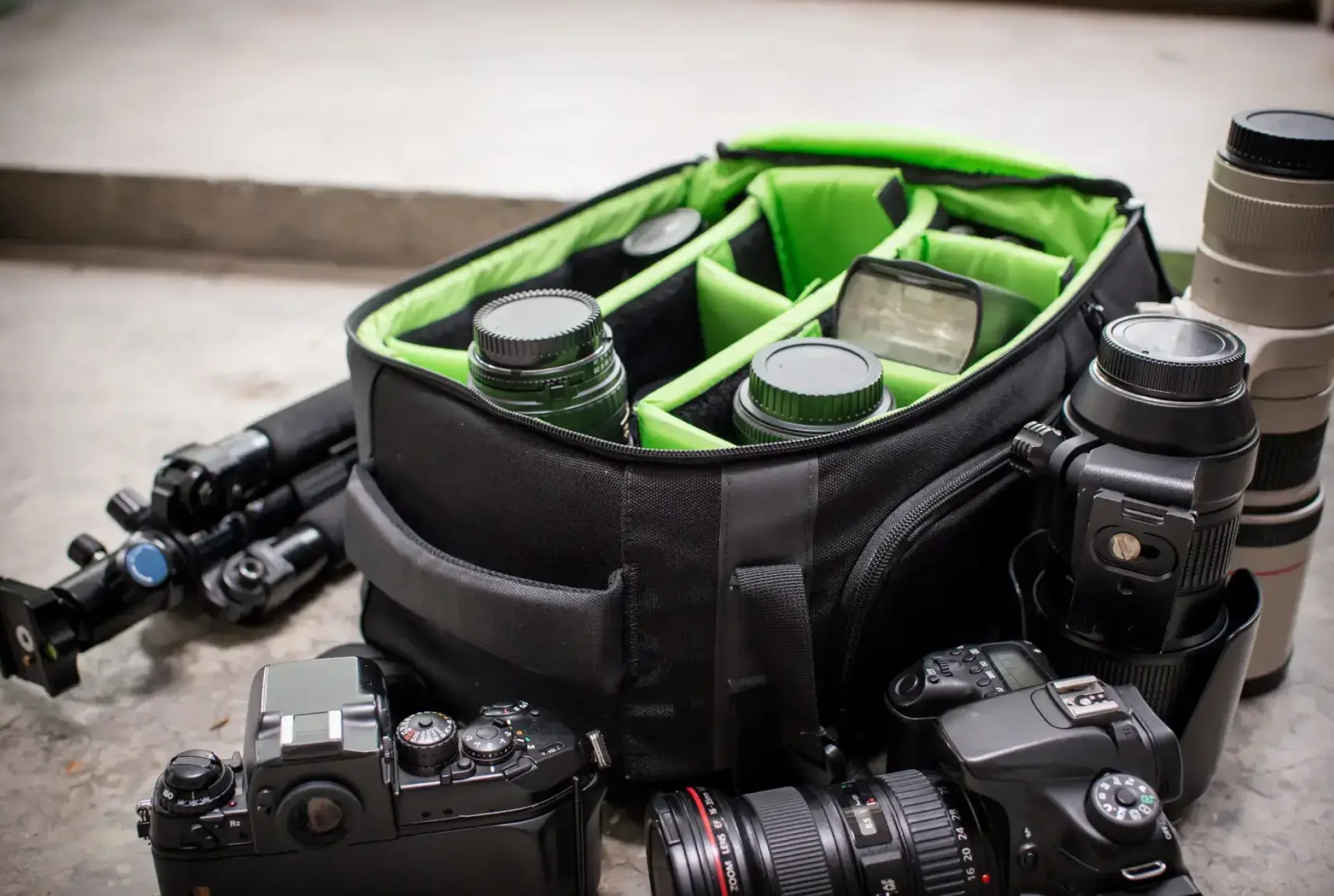
Starting a camera rental business can be an effective and exciting way to turn gear into income. With more creators, freelancers, students, and production teams needing access to quality equipment, there is a strong chance to serve customers who want professional tools without having to buy everything themselves.
You are not just offering cameras; you are helping people create videos, shoot events, capture photos, and bring projects to life. This guide covers how to start and run a camera rental business, from choosing your equipment and setting prices to taking bookings, managing gear, and providing a reliable customer experience.
1. Understanding your local market
Knowing your local market shows you who your customers are what rental products they require, so you can make sure you have the right equipment and charge the right amount from the start.
The Camera rental market continues to grow since purchasing equipment is a big financial commitment and often not required long term. A lot of creators only need equipment for one project, shoot or day. Your typical customers can include:
-
Content creators and influencers
-
Freelance photographers and videographers
-
Film students and small production teams
-
Event organizers and agencies
Demand is often tied to weekends, events, and production schedules rather than strict seasons. In some areas, you may see spikes during event seasons or university terms.
The key is understanding that people are paying for access and reliability, not just the camera itself. For example, if you start in a city with a lot of freelancers, you might notice that many people need cameras for weekend shoots. Offering flexible weekend pricing or bundles can help you capture that demand early.
2. Choose your business model
Before launching your camera rental business, choosing a business model defines how customers will interact with your service and how you will manage bookings, pickups, and deliveries.
Once you’ve decided what you’re offering customers, you need to think about how they are going to rent it from you and how you’ll handle the pickups and deliveries.
Think carefully about how your day-to-day operation is going to run before you spend on any equipment. Certain rental businesses have short-term rentals, where clients come to your office, pick up gear and return it after the shoot.
This method of doing business will suit you if you have a studio, an office, or perhaps even a home-based office where the clients will come and collect at scheduled times.
You can also increase revenue by offering bundles. Instead of renting just a camera body, you package it with lenses, tripods, and audio gear.
Some businesses focus on high-end cinema equipment, while others target beginners with affordable kits. For example, a new rental business might start with basic Sony or Canon mirrorless kits bundled with a lens and tripod, offering pickup from a central location while also providing paid delivery for larger bookings or repeat customers.
3. Research legal requirements and insurance
When starting a rental business, getting the legal and insurance side right from the beginning protects your business and helps you avoid costly issues as you start renting out expensive equipment.
Before spending any money on gear, you must familiarize yourself with what will be needed to legally operate your business. For most people, this involves registering your business and obtaining the correct licenses. Insurance is an especially critical area for camera rental.
Equipment is costly and incidents occur. Insurance coverage for damage, theft and liability is necessary. You should also set clear rental terms so customers understand their responsibilities. For example, if you rent out a camera worth several thousand dollars, you can require a security deposit and include clear terms about damage and late returns in your rental agreement.
4. Purchase your starting inventory
Purchasing your starting inventory is where your business begins to take shape, and making smart choices here helps you match demand without overspending.
Your main investment will be in cameras, lenses, and accessories, but it is important to stay focused on what your customers actually need rather than buying everything at once.
A strong starting setup often includes:
-
Mirrorless or DSLR cameras
-
Versatile lenses like 24-70mm or 50mm
-
Tripods and stabilizers
-
Basic lighting kits
-
Audio equipment like microphones
In addition to the actual gear, also remember the costs of your storage cases, protective gear, insurance, and booking software or website.
It is better to add items to your inventory gradually rather than to try and get back a sum of money you put out on equipment you are not using. Instead of five cameras you can start with two camera kits and one lighting kit. If those get booked constantly then you can reinvest what you make into additional items as the demand calls for it.
Durability is also important as well because rental gear gets used much more heavily than personally owned gear, and buying models with more durability will reduce replacement and maintenance costs.
5. Track your inventory with the right rental software
With software to manage your inventory, you can stay organized, prevent booking conflicts and maintain oversight of your stock as you scale your camera rental business.
When you begin to add more items to your inventory, managing rental requests without a system can rapidly become complicated as overlaps occur in bookings. To manage bookings, you require constant awareness of what’s available, what’s out on hire, and what needs to come back from a hire. A rental tool provides these capabilities from a single system.
A robust option for camera rental companies wanting an all-in-one inventory management and booking/payment system, are rental software like Booqable.
With Booqable, you can:
-
Automatically update availability when items are booked
-
Prevent double bookings with real-time inventory tracking
-
Track individual items using barcodes or QR codes
-
See exactly which items are out on rent and when they are due back
-
Generate invoices, contracts, and quotes with pre-filled order details
-
Keep all bookings, customers, and documents in one dashboard
-
Build a rental website with a built-in website builder
-
Allow customers to view availability and book gear online
For example, if a customer books your Canon R6 for a weekend, the system instantly updates availability, assigns the item to that order, and prepares the invoice and rental agreement. When the camera is returned, you can check it back in and confirm everything is accounted for without relying on manual tracking.
6. Build an online presence
One of the most crucial steps of learning how to start a camera rental business is getting your online presence just right. Running a rental website makes it easier for customers to find you, browse your gear, and book without delays.
Your website is often the first impression customers have of your business. It should clearly show your equipment, pricing, and availability so people can quickly decide what they need.
You have two options for creating a website: building one from scratch or using a website builder which links to your rental system. Booqable provides a drag-and-drop website builder allowing you to create your own rental site, set up your own domain and select a template already tailored to camera rental businesses, offering you the structure that will fit your industry and make it easier to start with.
Online booking is crucial as customers no longer expect to be sending and receiving emails to book their equipment, as well as setting up your desired way of payment. Booqable allows you to charge customers for their security deposit, down payment or full booking amount at the time of checkout, allowing you to maintain control of your bookings and minimize the risks of no shows, late cancellations.
A small rental business might create their website and set up their own domain, display camera kits with real time availability, and charge a 20% payment of the booking amount when the customer checks out. This means the customer can book instantly while the rental business secures the booking and minimizes risk prior to pick up day.
7. Set your pricing
Setting the right pricing helps you stay competitive while still making sure your business is profitable.
Pricing should reflect both the value of your gear and the demand in your area. Some businesses charge daily rates, while others offer weekend or weekly discounts.
Another approach which could be applied and make a significant difference is tiered pricing, customers pay a smaller amount per day on a longer booking which incentivizes longer rental periods, meaning you’ll need to handle fewer pick ups and drop-offs and also provides opportunities to alter pricing according to peak/off-peak season demands.
Rental software such as Booqable can make this quick to apply. You can create tiered pricing rules that apply automatically for multiple day bookings, set seasonal pricing for peak demand periods, and include taxes automatically in the checkout, making for transparent totals for your customers.
Product bundles at discounted prices can also boost orders as it is easier for a customer to pick an option than select each individual product needed for a task, instead a user can select a kit of products that are known to fit and perform well together which should mean an increase in average order value.
Booqable can display these bundles easily to the customer online allowing them to order whole kits with minimal effort. Finally, it’s important to establish the rules for deposits, cancellation and late return policies for all of your rental products. For example: a daily price would be charged for a standard camera kit, there would be a cheaper weekend package and a low per-day cost on a week-long rental, this can also be added and calculated automatically in the checkout stage for all items.
8. Market your camera rental business
Marketing can be extremely useful for reaching new clients, as well as remaining a visible business where they’re already looking for equipment.
Many camera rental companies make much of their income through discoverability. If a consumer requires a camera, they may well initially check Google or social media for a suitable hire service. Making a business discoverable here makes an enormous difference to clients.
It’s a good idea to set up a Google Business Profile. This should help the business to show up in localized searches and maps when a consumer is searching the web for a phrase like “camera rental near me”.
SEO should also be a key factor. This means making your website as discoverable as possible through search engines, by making sure the website is clearly structured and uses terms that customers will search like “camera rental” or “lens rental”. Having useful content on your website can help to boost your discoverability over time, reducing reliance on paid advertising.
Social media can work to complement your discoverability efforts by showcasing your equipment, set ups, or the work of previous clients. The visual nature of photography and video means platforms like Instagram and TikTok are potentially very helpful for clients.
You can also build partnerships with local creatives, studios, or schools to generate consistent referrals. These relationships often lead to repeat bookings.
For paid marketing, tools like Google Ads or Meta Ads allow you to target specific audiences. Booqable supports this by integrating with Google Analytics 4 and Meta Pixel, so you can track where your visitors come from and which campaigns lead to bookings. This helps you make better decisions about where to invest your marketing budget.
For example, you might run a Google Ads campaign targeting “Canon EOS R6 rental New York” and use analytics to see how many bookings come from that campaign. Over time, this allows you to focus on the channels that bring the best results.
9. Scale and adjust your business over time
Scaling your business over time allows you to grow based on real demand instead of guessing what might work.
As you gain more customers and bookings, you can adjust your inventory, pricing, and services to match what people actually want. This might include adding more gear, expanding your delivery options, or refining your pricing strategy.
The advantage of using tools like Booqable is that you can update your pricing, availability rules, and product offerings as your business evolves, without needing to rebuild your setup.
For example, if you notice that weekend bookings are always full, you can increase pricing for those days, add more inventory, or introduce new bundles to increase your revenue.
Build a business that grows with you
Setting up a camera rental business, while revolving around gear, is much more about providing reliable access and keeping your business organized and trustworthy in the eyes of your clients.
Starting small, being reliable, and adapting to your market and audience as you scale your business can allow you to create a sustainable camera rental business.