





Most people think starting an equipment rental business means leasing a huge yard, buying dozens of machines, and taking on serious debt before the first customer ever calls.
That used to be true.
In 2026, many successful rental businesses are starting smaller and smarter. Instead of trying to offer everything at once, they focus on a specific type of equipment, prove local demand first, and grow from there.
This guide walks you through how to start an equipment rental business with realistic startup costs, lower risk, and systems that scale as demand grows. While examples focus on construction tools, trailers, and heavy-duty equipment, the same principles apply to event, landscaping, and specialty rentals.
Equipment rental industry overview
The equipment rental industry continues to grow steadily, with most sectors seeing annual growth of 5–7%. Construction activity, infrastructure investment, and the preference for access over ownership all contribute to rising demand.
Well-run equipment rental businesses commonly achieve net profit margins between 35–55% after accounting for depreciation, maintenance, and operating costs.
Typical performance benchmarks include:
-
Investment payback periods of 14–30 months
-
Utilization rates of 45–65% for general inventory
-
Average transaction values of $150–500 depending on equipment type
-
Commercial customer retention rates of 70–80% when service is reliable
Market research fundamentals
Before purchasing equipment, take time to understand your local market. Most rental businesses serve a mix of contractors, homeowners, and commercial clients, though the balance varies by region and specialization.
Focus your research on:
-
Local competition: identify rental companies within a 30-mile radius and note their inventory, pricing, minimum rental periods, and availability
-
Seasonal demand: understand when construction or renovation activity peaks in your area
-
Equipment gaps: look for items that are frequently unavailable or difficult to source locally Clear demand patterns reduce risk and guide smarter inventory decisions.
Start with focus, not volume
One of the most common mistakes new equipment rental businesses make is trying to offer too much, too soon. Buying a wide mix of equipment might seem appealing, but it quickly stretches your budget and complicates storage, maintenance, and logistics.
A more reliable approach is to focus on one clear category of equipment and build from there. When deciding what to rent first, look for equipment that:
-
It has a high daily rate. You want items that rent for $150+ per day, not $15.
-
Is hard to store. Customers rent it because they don’t have space to keep it at their house. Dump trailers and scissor lifts are perfect examples.
-
Is durable. Industrial-grade equipment holds its resale value.
Equipment that often pays back quickly
Based on typical rental rates and used purchase prices, the following equipment types are commonly strong first choices in many local markets. Estimated payback periods assume roughly 50% utilization, meaning the equipment is rented about half the days in a month.
| Equipment type | Estimated used purchase price | Typical daily rental rate | Approximate payback period |
|---|---|---|---|
| Dump trailer (14 ft) | $6,000 – $9,000 | $125 – $175 | 45 – 60 days |
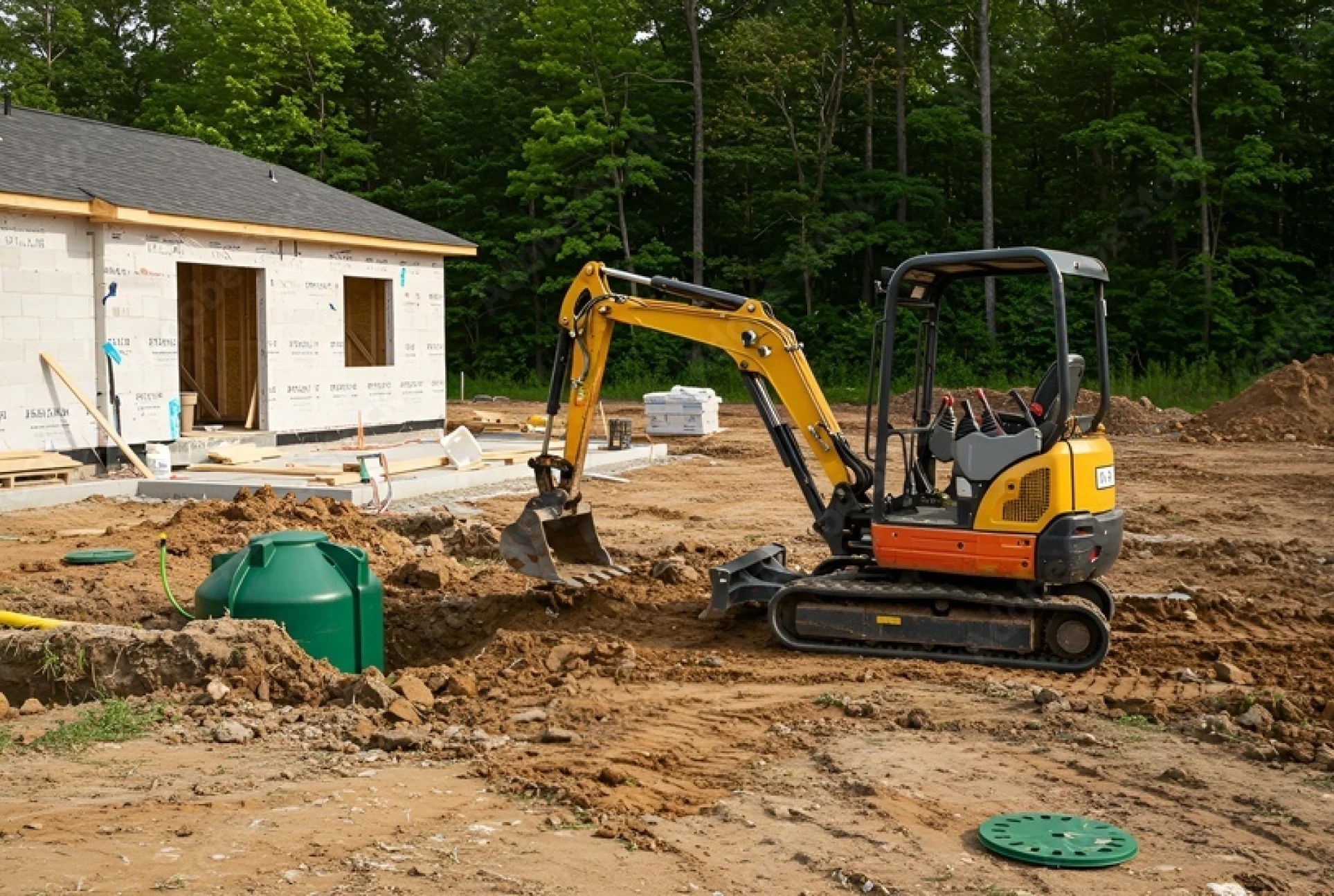
| Mini excavator (1–2 ton) | $18,000 – $25,000 | $250 – $350 | 70 – 90 days |
| Stump grinder | $3,000 – $6,000 | $150 – $200 | 25 – 40 days |
| Scissor lift (19 ft) | $4,000 – $7,000 | $100 – $150 | 40 – 50 days |
| Mobile scaffolding | $1,500 – $3,000 | $75 – $125 | 20 – 30 days |
Validate demand before you buy
Before investing thousands in equipment, confirm that demand exists in your specific area. Start by reviewing competitor websites toward the end of the week. If popular items regularly show limited availability, “call for pricing,” or are already booked for upcoming weekends, that’s often a sign demand is outpacing supply.
Next, monitor local marketplaces such as Facebook Marketplace, Craigslist, and contractor groups. Look for repeated posts asking where to rent specific equipment or people searching for short-term access rather than buying.
You can also use free SEO tools to validate demand. Tools like Google Keyword Planner, Google Trends, or free versions of SEO platforms allow you to see whether people are searching for terms like “dump trailer rental near me” or “mini excavator rental [your city].” Even modest search volume can support a profitable local rental business, especially in areas with limited competition.
Taken together, these signals help reduce guesswork and ensure you’re buying equipment people are already looking for.
Build your website before you build your yard
You don’t need a storefront to look professional. For many rental businesses, the website is the storefront.
Launching your rental website early helps you show pricing and availability clearly, collect inquiries before inventory arrives, and establish trust with contractors and repeat customers. You can even list equipment as “coming soon” to test interest before committing to a purchase.
Clear photos, transparent pricing, and real-time availability often matter more to customers than having a physical location.
Source equipment strategically
Buying brand-new equipment isn’t always necessary, especially when you’re getting started. Well-maintained used equipment often rents just as well and costs significantly less upfront.
Many rental operators source equipment through industrial auctions and liquidations. Platforms like Ritchie Bros. regularly sell construction and heavy equipment that’s been professionally maintained and built for long-term use. Purchasing a machine with a few hundred hours can reduce upfront costs by 30–40% while still allowing you to charge standard rental rates.
Start with one or two core items and learn everything about transporting, maintaining, and renting them efficiently. Once those items are consistently booked, reinvest the cash flow into expanding your inventory.
At the same time, focus on marketing where customers already look. Make sure your business appears in local search results, especially for “near me” queries. Simple Google Ads campaigns targeting specific equipment types can be effective, as can partnerships with contractors, planners, and tradespeople who regularly need rentals.
Reliability, responsiveness, and easy booking will often win business even over larger competitors.
Set up systems that save time
Without the right systems, rental businesses can quickly become paperwork-heavy. Setting things up properly early makes operations smoother and more professional.
Rental management software helps by:
-
Online bookings and availability tracking: customers can see what’s available without calling, reducing back-and-forth and double bookings
-
Digital contracts and waivers: agreements are sent automatically and signed online, saving time and avoiding paperwork errors
-
Deposits and payment processing: security deposits and payments are handled upfront, protecting your equipment and cash flow
-
Maintenance tracking: service history, inspections, and repairs are logged so equipment stays safe and reliable
-
Customer communication: confirmations, reminders, and follow-ups are automated, improving the overall customer experience
Even for owner-operated businesses, these systems reduce admin work and help you operate like an established rental company from day one.
Price for profitability and long-term growth
Pricing needs to cover more than just the cost of the equipment. Maintenance, downtime, insurance, and admin time all factor into sustainable rates.
Common pricing guidelines include:
-
Daily rates of 3–5% of equipment value
-
Weekly rates equal to 4–5 daily charges
-
Monthly rates around 3 weeks of daily pricing
-
Deposits based on equipment risk and value
Additional revenue often comes from delivery fees, damage waivers, consumables, and after-hours service.
The beauty of the heavy equipment rental model is what many owners experience as a snowball effect. Once your first asset is paid off, it becomes a consistent profit generator. That cash flow can then be used to help fund the next piece of equipment, then the next.
Over time, this reinvestment cycle allows your inventory to grow without relying heavily on loans, keeping risk lower and margins healthier.
Starting an equipment rental business for success
Starting an equipment rental business today doesn’t require massive overhead or perfect conditions. It requires focus, clear demand signals, and systems that support steady growth.
By choosing the right equipment, validating demand early, sourcing inventory wisely, and reinvesting profits as you grow, you can build a rental business that’s profitable, manageable, and built to last.
If you want to see how your rental business could look online before investing in equipment, you can start a free 14-day trial with Booqable and build your rental website today.